Empowering Midlife Women: Embrace Strength Training and Mindful Movement for Lasting Wellness and Pain Relief
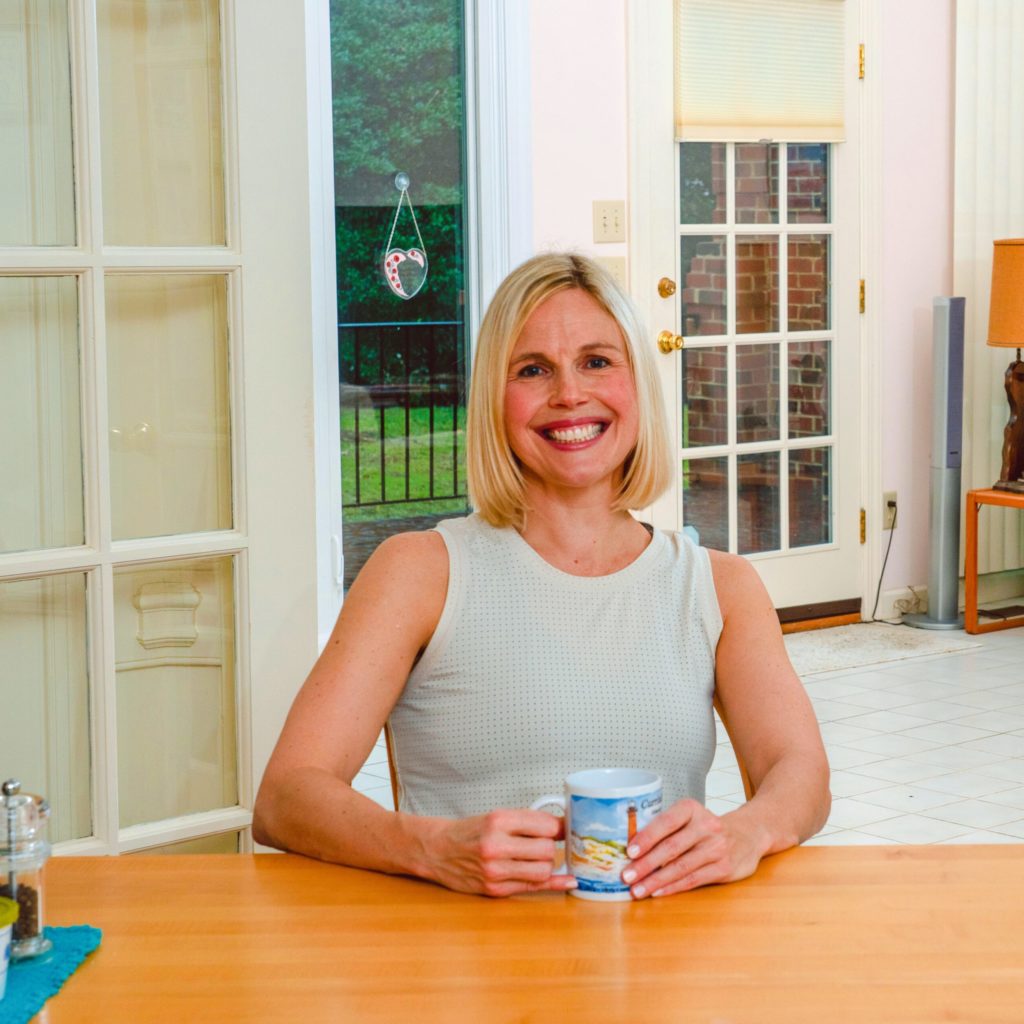

Are you a midlife woman feeling overwhelmed by the changes in your body and fitness routine? You’re not alone! Join host Heather Carey as she dives deep into the evolving fitness needs of midlife women in this empowering episode of Real Food Stories. Heather shares her own journey, revealing how chronic pain and the natural effects of aging led her to embrace strength training and mindful movement. With over 26 years of experience, exercise physiologist Carrie Vann opens up about her personal struggles with pain, which inspired her to develop the Complete Well Body Method. This innovative approach is designed specifically for women over 40, emphasizing the importance of a balanced exercise regimen that adapts to your unique needs.
Throughout their engaging conversation, Heather and Carrie explore the significance of listening to your body and creating individualized exercise plans that honor your midlife changes. They discuss the vital role of stretching, mobility work, and therapeutic practices, all of which can transform your daily routine into a nourishing experience. As they tackle the common fears surrounding pain and exercise, listeners are encouraged to view movement as a form of medicine that promotes overall wellness.
This episode serves as a valuable resource for midlife women navigating the complexities of fitness and health during this transformative stage. With insights into pain-free movement, the importance of building a sustainable exercise routine, and the incorporation of nutrition advice that aligns with midlife wellness, Heather and Carrie provide the tools you need to empower your menopause journey. Discover how to make healthy lifestyle choices that resonate with your personal food journey, combat diet myths, and embrace a joyful, mindful eating practice.
Whether you’re interested in Mediterranean diet insights, overcoming food confusion, or simply looking for healthy cooking tips, this episode is packed with practical advice and personal food stories that will inspire you to take charge of your health. Tune in and learn how to nourish your body, embrace body positivity, and cultivate a lifestyle that celebrates the beauty of being a midlife woman. Let’s empower you on your journey to wellness and happiness.
I would love to hear from you! What did you think of the episode? Share it with me :) Support the showLet’s Be Friends
Hang out with Heather on IG @greenpalettekitchen or on FB HERE.
Let’s Talk!
Whether you are looking for 1-1 nutrition coaching or kitchen coaching let’s have a chat. Click HERE to reach out to Heather.
Did You Love This Episode?
“I love Heather and the Real Food Stories Podcast!” If this is you, please do not hesitate to leave a five-star review on Apple or wherever you listen to podcasts.
Transcript:
Speaker #0
Well, hello, everybody, and welcome back. And if you are just tuning in with me for the very first time, it’s so nice to meet you. And I’m really glad you’re here with me today. I am your host, Heather Carey, nutritionist, chef, mom, and a woman who has been around the block with food. I want to open up about real food in relation to health, weight, and our bodies so you can make peace with what you eat. Hey everybody and welcome back to the Real Food Stories podcast. As I get older I have given so much thought to exactly how I exercise because my body is getting older and I feel like my priorities are changing a little bit. I want to make sure I focus on strength training because that’s really great for my bones and my muscle mass. and maybe ease up a little bit more on my cardio. I don’t even consider doing boot camp classes at the gym anymore like I used to. Plus, I have some chronic pain and my joints are getting a little bit creakier and all of that. So I really have shifted in the way I think about movement and strength training and rest and recovery. So today I had the opportunity to sit down with exercise physiologist Carrie Vann, who deals with just that, people who have some pain, joint pain, and want to continue doing movement pain-free. And it was a really informative conversation. And if you feel like your body is shifting and changing, I would definitely take a listen to my conversation with Carrie. Hey everybody, I am here today with Keri Bann, and Keri is an exercise physiologist and holistic movement mentor with 26 plus years of experience both professionally and personally. Keri struggled with pain at a young age, which motivated her to find solutions to her pain and in turn help other women. She created the Complete Well Body Method, which helps women over 40 integrate a balanced approach to exercise into their lives so they too can enjoy living healthy and pain-free no matter where they are in their exercise journey. Keri has helped many women transform their lives and go from living full of pain and fear to being empowered with lifelong tools for pain relief, injury prevention, and improved health and wellness. So hi, Keri. Thanks so much for being here today. I’m really looking forward to meeting with you. and finding out your perspective on pain and exercise. Because as a woman who is not only in the menopause transition and in midlife, I am also a woman who deals with a varying degree of chronic pain. I’ve had two back surgeries in my lifetime. And I have to admit that at times I have a decent amount of fear about re-injuring my back or making things worse. And. I’ve done a lot of mind-body work to try to ease this fear, and it’s really been helpful. But I want to start with you. You say that you have a personal story around pain. So let’s get into that first and tell me then how you got into what you’re doing.
Speaker #1
Sure. Yeah. So thank you for having me today, by the way. Super excited to be here too. And, you know, I’ve always loved being active, hiking, biking, swimming. dancing, you name it. And you can call me a natural mover. And my passion started at a young age. My mom signed me up for a creative movement class at age four. And, you know, by age seven, though, I had put on weight and I had been told by a doctor that I needed to go on a diet to eat less and exercise. And I had high blood pressure, mainly because I had white coat syndrome. I was scared of the doctor. And on top of that, I was getting teased for my weight, being called names that really hurt. And so I felt ashamed for a long time. And my mom did end up signing me up for ballet, which was great from the movement standpoint. I loved dancing, but it wasn’t such a healthy environment and led to unhealthy eating and exercise habits and issues with my feet and ankles. and by my sophomore year in college. My feet couldn’t take it anymore. And after… Lots of doctors visits. I learned I was missing two joints in both of my feet. So I had to stop dancing and I was minoring in dance at the time. So stopping something I loved was really hard, but it pushed me to be proactive about finding answers, solutions, other ways to move. And I kept going through education, training, and then my own experience. And this just led me on. I got degrees in, two degrees in exercise physiology and have been. privileged to work at some of the medical centers, including University of Pittsburgh, University of Maryland, and the Duke Medical Center. And I have a lot of extensive training in different types of movement disciplines and modalities. In fact, it’s so long that I really can’t keep track of it. And then I ended up devoting a lot of my time working in residential weight loss centers. The Duke Diet and Fitness Center. the rice diet and, and structure house, which are all located in Durham, North Carolina. And, and this was a city once nicknamed fat city, because it was a go to destination for, for weight loss. And only one of those centers, which is structure house remains today. So, so, you know, through my journey, I did it, I over exercise, I pushed through pain, I did not exercise in a healthy manner. And I had an unbalanced to approach. I did repetitive movement and I accrued a lot of injuries, hips, knees, backs, you name it. And I learned from each experience, but some were pretty rough, but it really wasn’t until I had two car wrecks back to back. And I believe God did this to me to get my attention because I’m really hardheaded. And that’s when I was forced to slow down and I had a shift in my… thinking. This is a turning point. And this is where I began to develop my unexercising approach. Right. And so and so that’s kind of where it began because of my degrees in exercise physiology. My role was an exercise physiologist to some degree in different capacities in these universities, whether it was in University of Maryland, it was doing a lot of research. testing, which included resting metabolic rate testing or cardiovascular type testing, all kinds of different things in a more hospital environment or coordinating the programming for special populations for wellness programs. But the residential weight loss, it was a unique, especially the Duke guidance at a very unique place where Thank you. I definitely focused in on a lot of the exercise components for that. But you were integrated in and I was teaching a lot on mindfulness in all capacities, not just with movement, but actually eating. So it’s kind of integrated into into that program and teaching in all aspects. And I think it’s just because of my own personal experience, being able to really relate to somebody that was overweight and having that experience as a child. Right. So that’s kind of where I really felt at home.
Speaker #0
Things have changed a lot since the rice diet and the Duke diet and everything. And I imagine that exercise, in a sense, has too, I think. I mean, you’re the expert, so I want to hear from you about that. Your journey from like that point on to then to, and then I know you had said that you were into car accidents and that really forced you to slow down, right? And maybe think things in a different… way. So tell me from that point, your slowdown and what then led you to create the complete well body method, right? Because you do focus on pain, right? And getting people back into exercising.
Speaker #1
Absolutely. So I began to listen to my body at that point and stop telling it what to do, stop pushing through pain and begin to understand there’s a lot of value with the mind. body connection and began focusing on building a strong foundation for my body in a very different way than I had before. And this is where I began to develop and use the pillars of pain-free movement that I now teach. And it was over the span of about the next 15 to 17 years that I began to integrate those pieces in a manner that I was helping people along the way. It was primarily at the Duke Medical Center, my one-on-one work with clients there. Yeah. And so that’s kind of where it all started for me. And I would say that, you know, the conventional approach to fitness is that it’s, you know, we’re generally focusing on one area and there’s often a pressure for you to adapt your body to a specific practice or method that may not align with your personal needs and it could involve repetitive movement or pushing through pain and the shortfall to this it’s not holistic approach and you don’t take into account or honor orthopedic limitations which basically are the things that you need to avoid for your own body personally that aren’t good for you. And it’s not geared towards those that are experiencing pain or that want to prevent injury. And there’s a lack of education and knowledge and experience on behalf of a lot of instructors when it comes to this arena. And the consequence to that is that can lead to injury, re-injury, continued pain, and often do more harm than good. So what I’ve found is like, instead of we actually learn to un-exercise first, right? And then integrate in. all of these necessary pillars, it’s going to be, it is more effective and can provide longer lasting results to getting relief from pain and preventing further injury.
Speaker #0
That sounds like a really great first step in something sort of different is to learn how to unexercise, right? And to debunk maybe some of our beliefs. I mean, I grew up in the era of no pain, no gain, right? if you weren’t in pain and suffering after your workout. you weren’t doing anything like helpful for your body. Now I know that’s not, I mean, that’s just not possible for me anymore. And especially now as I am getting older and, you know, I am a woman in perimenopause right now and feeling different pain, you know, like more joint pain things. I feel like that is. just gotten worse in midlife. I don’t know if I can blame it on, you know, my menopause transition. I’m not sure, you know, what it is. So I think it’s, yeah, like learning new beliefs about exercising, unlearning things. Do you work with people, you know, and women in particular in the menopause transition? And do they complain about like just these new aches and pains?
Speaker #1
Yeah, no, absolutely. And that’s the majority of the people that I do work with. I mean, as a woman myself that’s over 40, we experience a lot of change in our bodies, right? And so it’s not natural to assume that we’re going to move like we were in our 20s or 30s or 40s, you know, as we get older. So yeah, there are definitely different needs for our body. And there’s actually a crossover between what we need to do to prevent. injury and what we need to do to relieve pain. And, you know, you don’t have to be in pain to do this stuff, but that’s the red flag that gets our attention. But you don’t have to get to that point. Right. So, so that’s, you know, kind of really, really a passion of mine is, you know, being an advocate for women and letting them know there is, there are other ways and it’s just knowing what those things are.
Speaker #0
Yeah. That’s, that’s a good point too. I mean, I think fear gets your, I mean, I’m sorry. Pain gets your attention and then it creates fear, though, that if I’m in pain, I should be, then something’s wrong and something and I should be maybe not exercising, not doing as much as I could be doing. And so how do you how do you react to people who have that pain fear cycle? Do you advocate pushing to do more? Do you tell us on an individual basis?
Speaker #1
Well, I will say a couple of things. One, it’s just not knowing what you need to do because movement is a powerful form of medicine and we all deserve to experience that freedom and without the fear of getting hurt. And yes, that is 100% possible. It’s that, you know, yes, you may have to work through the fear to some degree, but you You’ll see that when things start to feel good when moving, that motivates you to do more. Right. And if we break down into like, OK, so what do we need to do? What are those pillars? Well, we need to be, first off, stretching, stretching more. Mobility stretches is the term that I use because flexibility improves our mobility. And and we are not stretching enough. And there’s so much power. in taking the time to connect and learn about your own body through stretching. I mean, it’s a needed and powerful tool. And there are plenty of things I believe that we can do lying on our back to start. right? And that gets you to understand your own body. You can do plenty of things in a bed. You don’t have to get down on a mat. You could, right? And then you build your toolbox from there and knowing that, okay, I may be holding tension in this certain area of body. I’ve got to spend more time on that. So that’s one thing you can do. The other thing that can be extremely powerful and is a big part of what I teach is what I call therapeutic Pilates. And I’m going to say that you can still hurt yourself doing Pilates. Okay. And not every position is for everybody. And I’ve seen this and know this to be true. I’ve had a lot of extensive training in Pilates, you know, different types of rehabilitative techniques, classical, all that stuff through a long period of time. And what I found to be the most important piece of that is stabilization, getting our body stable, building that foundation. And that’s often not a place that people even… even go to. I’ve worked with people that have come to me this, I’ve been doing for Pilates for 13 to 15 years and they’re missing that piece. And we’ve got to go back. Right. So we get, get the center, AKA core strong, and then we can get in movements for our spine. Right. Because, you know, a lot of times, you know, we’re, we’re doing physical therapy or, or chiropractic and, And while I believe that there… and I love collaborating with those practitioners. They’re helpful. We need more. And especially when it comes to back pain, I, this is just a fact I see all the time. And, um, cause you need to, to be dealing with, you know, not just your back, your whole body, and you need to be able to move. And, and then a chiropractor is going to give you adjustments for your spine, but there’s plenty of movements you can be doing for your body that can do that on your own. And that can actually reduce the, the time that you need to go see or spend at the chiropractor, right? So we’ve got that piece and we really need them all. So I’m going to keep going and we need to be working our own fascia. And when I say fascia, for those of you that don’t know, it’s like a spider web like substance that covers our whole body. It’s a system in and of itself. It’s if you’ve ever had like a massage or deep tissue work on your body, it breaks up adhesions and it can actually free up your movement and reduce pain. And there are plenty of things that you can do on your entire body to manage your own fascia that reduce pain and prevent injury. And that in combination with stretching is extremely powerful, right? So we’ve got that. And we also need, so we need to be focusing on strength, especially as a woman over 40. And guess what? You don’t need to go to the gym and lift heavy weights. You don’t. There’s plenty of things that you can do in your own home. Heavy resistance to starting out wherever you need to be. Maybe some light weights that are going to challenge your muscles, maintain your bone health and your metabolism. Right. And prevent injury. Because what I see a lot of times, especially, you know, somebody coming in with, let’s say, let’s take, for example, some type of joint pain or inflammation. There’s a threshold and they go past the threshold. They’re lifting a heavy weight. They hurt themselves and it, you know, it doesn’t work. for you. So, so there’s other ways to do things. And then the other thing that’s important is just moving in general and in a joint friendly way. Okay. So, so that could be walking for some people, but that may not be for everybody. It could be water walking. It could be deep water running, swimming. There’s a machine called a new step. That’s very good for the knees or an elliptical things that are going to be good for your joints long-term because they’re going to start wearing down. So. So, and, you know, I just did a podcast episode the other day and, you know, a longevity specialist, I will tell you the, the one thing that we need to increase our longevity, the biggest thing that we need, I was so excited to hear this is movement. Wow. Okay.
Speaker #0
I didn’t even know that.
Speaker #1
So, so, so that’s kind of where I’m coming from, if that makes sense. Sorry to talk so, so much there.
Speaker #0
I’m sitting here actually taking some notes because I know that For me, and I think a lot of other women, we’re so busy, everyone’s busy, right? And so we focus on maybe the cardio and the strength, the training sometimes, and skip the stretching, the therapeutic Pilates, the fascia focus, and just ignore that stuff. I know that I do this a lot. I mean, I know that I have good intentions, you know, and we’re busy. So how do you… convince people or women, especially that this is, you know, the stretching and all the other things are. particularly important because I think they become even more important as we get older. Is that correct?
Speaker #1
Yes, it is so true. And it’s learning by doing. And so, you know, it’s just, I see this all the time. So I know how powerful all these things can be, right? So I’m living this, I’m seeing this, right? And so it’s not even convincing for me. It’s when somebody begins doing it, I get so excited because I already know that this is what’s going to happen. You’re going to start seeing improvement. And the thing is, is that, you know, you need to do it in a way that you can get all these habits into your daily life, whether it’s at home or on the go, that you don’t have to drive to a thousand different places, right? And you need someone to help you kind of keep you on track so that you can be successful. And that’s really was my driving force for developing the complete whole body method.
Speaker #0
So let’s talk about… the whole body method. I know you mentioned before that you have these pillars of pain-free movement. Tell me a little bit more about that.
Speaker #1
So, yes. So I’m so passionate about the method because it’s not just something that I talk about. It is a way of life for me. And I’ve combined basically all those multiple areas, the pillars into one approach so you can get everything in. And it’s kind of like. You’re working with five practitioners in one and you can begin to make habits of those pillars into your life in a way that works for you because we’re all busy. The thing is, like anything, it’s a habit. So we’ve got to begin to create this habit into our life that’s workable for us and it’s achievable in many ways. But you’ve got to start somewhere and you’ve got to have somebody who knows how to kind of pace you to get them into your life. in that manner can be overwhelming, right? Right. But it doesn’t have to be, it doesn’t have to be. Um, so, so yeah, so my goal is to, to really help people either to move without pain, to prevent pain from coming to, to, to alleviate it. And then of course, helping with the whole person, which is wherever they are, mindset, stress, you know, sleep, um, to some degree nutrition and And just, you know, looking at all those pieces, but the main focus is on instilling those pillars into your life of pain-free movement.
Speaker #0
Give me an example of one of your pillars. I mean, when you say pillars, is it like a step-by-step process that you go through? And do people come to you because they are in pain? Is that who would come to you first? Or do women come to see you just because they want to get stronger and healthier and live longer?
Speaker #1
who Typically, somebody’s at a point in their life where they just don’t want to hurt themselves while exercising. And that’s one of the reasons people come to see me. And it could be that’s just it. Or they could have had a past injury or let’s say an issue with a certain part of their body or surgery or some health complication. So I see a lot of women like in that condition. And then I tend to work with a lot of women that have back pain. Um, and not as a general back pain, a hundred percent and, and love working with that. But I also see a lot of stenosis and spondylosis and over the years, that’s just been the case. So I see that a lot. And, and, and then it comes to the muscle issues that the joint pain inflammation, I see a lot of autoimmune women with autoimmune disorders and, and arthritis and fibromyalgia and things like that. So that’s, that’s typically what I’m seeing.
Speaker #0
Tell me how you see… your clients? Do you see them online? Do you see them in person?
Speaker #1
So the program is all online, which I love because people can make it work for them on their own time in the comfort of their home or if they travel or whatever. So, and that was really one of my driving things I wanted to achieve is that, yes, we want, you know, so it’s really good for, for someone that doesn’t want to be driving to a gym that’s busy. Maybe working from home, I get a lot of women that are already working from home and they want to be able to integrate things into their week or day. You know, professional women, women, business owners, entrepreneurs, you know, so it’s just it’s easy. It’s, you know, you begin to I’m here. I help hold you accountable. We get a plan before I work with anybody. We do a thorough assessment and kind of targeting on exactly what’s going on to see if it’s a good fit. You know, that’s just like… how I like to start with anybody. And then, and then we go from there and we. I’ll start building a foundation and how we do that is going to be based on, on you, because not, you know, I’ll see people that a certain position may not be good for them, or they can’t do certain things or, you know, some people are limited, let’s say with the knees or certain things with the back. And that was really important to me that I could still work one-on-one with somebody in this capacity. And so I really have spent a lot of, a lot of time and effort making that achievable. So it’s not a group program for a reason because I wanted it to be individualized. And so that’s how it works. And I check in with everybody that I’m working with and we just naturally progress. And I’ll just see them integrating these habits gradually because you get a little bit here and then you just start building upon that. So it’s not overwhelming. So before you know it, you have the habit of mobility stretching. You have the habit of fascia into your life. You are doing therapeutic Pilates. You’re doing your strength work and you’re moving more and you’re not even in minutes. It’s achievable, right?
Speaker #0
Yeah. So it sounds like it’s very individual to every person that you see. That’s great. I mean, that’s rather than sometimes group programs are good, but I have memories of going to like bootcamp class, you know, like group where you’re just like. And speaking of bootcamp, so I want to clear this up too. I see on the internet a lot that cardio doesn’t matter. I mean, I know strength training is super important and I know that it’s even more important as women get older because we really want to protect our bones and just stay stronger and increase our muscle mass and everything. But is cardio important still? And at what intensity do you really need to be doing cardio?
Speaker #1
Yeah, that’s a great. question. You know, and I spent time working in cardiac rehabilitation. So yes, a hundred percent, we need to get, I like to call it overall movement, cardiovascular movement, whatever you want to call it into our lives for, for primarily the health of our heart. Guess what? And I, you know, I’ve done all the, I’ve done all the, the heart rate training, the intensities, it doesn’t matter. You don’t need to be doing intense stuff. You can walk at this point in my life, I’m an advocate for taking a 20 to 30 minute walk. Working up to that, possibly you start with 10 minutes because there are studies that have shown that 10 minutes can make a difference on our cardiovascular health. And that’s important to know. So you could do two 10 minutes eventually, and then maybe it adds up to 20 or 30. I think that we don’t need to be spending as much time as we need to be spending, or we think some people spending on cardiovascular. And I’m talking about over 20 or 30 minutes, like hour or this. Yeah, maybe occasionally you take a class because it’s good for your spirit. That’s great. Or you’re going along your hike. But in general, we just want to move. And we only need 20 or 30 minutes. I think we get so caught up in all the other stuff that it just doesn’t serve us. And then when you add other things after age 40 going on with your body, you have to take those things into consideration. So I don’t train in any specific heart rate zone today. I just move.
Speaker #0
That sounds like a really great rule of thumb. Just move. Just do something, right? I mean, it sounds like, right. And it sounds like you know about from research that just even moving 10 minutes is better than doing nothing. And then I know all the other just small things that we do. I know they always say like, take the stairs instead of the elevator, but all those things do add up, right? I mean, all those like small movements during your day. I mean, it’s not considered, I think, cardio, but it’s almost like passive cardio or I don’t know what you what you call that. But I think just moving as much as possible. Right.
Speaker #1
Yeah. And activities of daily living is what you’re describing. And that’s a great starting point right there. It’s like, let’s get our ADLs up. You can get I know myself and sometimes I’ll track my steps. I could be at home and doing a lot of different things. I have like, oh, my.
Speaker #0
gosh to over 10 000 steps and i haven’t left the house hey that’s a workout own it yeah no i i think yeah that that’s i think that we have to count all of all of those those things as some kind of movement i mean so many people just sit all day long i know i can i can if i’m working if i’m in my office and stuff i mean i could literally like sit at my desk for hours at a time Do you… feel or what is your opinion on the amount that we’re sitting and not moving and pain, back pain, chronic pain?Yeah, that’s a great question too. So first of all, when we’re sitting, we’ve got to support our spine. So we want to make sure we’re in proper alignment, ears over shoulders, over hips. That’s sounds easy to do, but it’s not. And I do this for a living. So I actually give myself support. I like to use balls. You can get, I got my kids, they’re 11, they have little rolls that they can put in the back of their chairs to support their spines because the ball, they’re not going to use, they’re going to throw it. It doesn’t matter what it is, But that support is going to give you feedback. to keep your spine in alignment. So that’s one thing you can do because sitting wreaks havoc on your spine. Your back is one of the worst things we can do, right? But we all have to sit, myself included. So then integrating in breaks. And those are where you can integrate the pillars into your day. You can integrate in, hey, it takes five minutes to do some fascia work or stretching and you begin to make those a habit. I also have developed chair-based routines for the spine for people that are sitting a lot. And I use myself. can get movements of our spine into our day. So there’s a lot of things that we can be doing. It’s just giving ourselves breaks. I know sometimes people like to sit on the large resistance ball and I go back and forth. Sometimes I’ll be in a chair with support. I’ll sit on the ball. The ball’s not good for everybody. But I don’t recommend sitting on the ball for long periods of time either because your spine can also get unsupported there. So integrating in movement, taking breaks, I think is really important. And that could be a 10-minute walk, something that’s small and achievable.
Speaker #1
Yeah, just getting out of your chair, going and walking down the block and back would even be better than doing nothing, right?
Speaker #0
Yeah, I do that myself all the time.
Speaker #1
So my final question, well, one of my final questions. What about the importance of rest? I mean, just the cool down part, because I think that’s another thing. I don’t know if you call it cool down, but, you know, resting or just, you know, post exercising, just the importance of letting yourself recover and rest. How important is that, too? Because I know for me, I’m totally guilty of this. I skip that like religiously because I’ll exercise. And then I will, I got to get going. I have to like get to work. I have to like, I’ll do that later. I’ll, I’ll do some kind of like recovery work later. And I, I end up skipping that a lot. So what is your opinion on that?
Speaker #0
Do the most, do what you can fit in right after you’re done. For example, like, let’s just say you took a walk when you’re, when you come back from your walk, maybe you can fit in doing some basic foot fascia for your feet, which is a lot of times what I ended up doing. We all need to take care of our feet. So you spend what two extra minutes on your feet. Now that’s become a habit. So you’re not going to get a pungent fasciitis or Achilles tendonitis if you like to walk. Okay. If you’re no one have time to do your stretching, do it later. Just get it in at some point during your day, your body’s going to still reap the benefit. And then you can, you can, things can be very day to day. So yeah, so, so I don’t ever use the word cool down anymore. But I think like the stuff that like… that you need to do to maintain your body is there. We can have a lot of flexibility with that. I do myself because as a busy woman, then I run a business. I’m having to, to maybe I’ll take a stress break and do five minutes of mobility stretches. Yeah. There’s a lot of power in that. Or maybe I, I it’s, it’s another 10 to 20 minutes of just doing my strength work, you know, so we can break things up. Um, we don’t have to spend like hours at a time doing things. It’s just knowing. that we, it’s just all about making it a habit. That’s it.
Speaker #1
Yeah, I agree. And I, and I also agree that the phrase cool down is probably something from a long time ago in my bootcamp class. Yeah. I think, I think it happened more like right, right. Rest and recovery, which I think is, is at least what I’ve been learning more about is equally as important. Even it goes beyond stretching. I mean, it’s really like, just letting your body sort of settle after exercising. Am I saying that correct? Yeah.
Speaker #0
Yeah. Yeah. So yeah, I think that they’re slowing down. A lot of the pillars, that’s what they involve. So you could utilize anything, for example, fascia release, slowing down, breathing, releasing tension. You could use that for stretching if you wanted to multitask. You could just lie and breathe if you wanted to. But if you want to be more effective with your time, you may want to do something while you’re doing that, you know, which which is what I do a lot of the time. If I want to just focus on my breathing, I can take a five minute. focus off my desk and just breathe, right? So that is one thing we could just focus on. But yeah, I mean, we can be productive in that time by doing one of the pillars that are going to help us as well.
Speaker #1
This sounds really great. And I know that there’s a lot of people who deal with pain, a lot of people who want to be moving, and there’s fear around it. And it sounds like you have a really nice program to address that. Thank you for sharing your story and what you do. And Carrie, how can people find you to work with you if they want to?
Speaker #0
Oh, yeah. They can reach out to movementcraft.com and go directly to the website there. Or they can email me at carrie at movementcraft.com. Great.
Speaker #1
And I will put that all in my show notes. I will put the links on how to find you. Carrie, thank you so much for… coming on today. I really appreciate it. And I know that I have learned a lot and you seem really passionate about what you do. And it’s a new, I know for people or women in midlife that it’s definitely a new way to look at exercise and movement.
Speaker #0
Yeah, it is. Thank you so much, Heather.
Speaker #1
Okay, great. Thank you too. And as always, if you loved this podcast, please consider gifting me with a five-star review. It is so helpful for me to get the word out on real eating, our real bodies, and real food stories. Thank you so much and have a great week. Bye for now.