
Navigating Hormonal Changes and Skin: Expert Skincare Advice and Nutrition Tips for Midlife Women’s Wellness
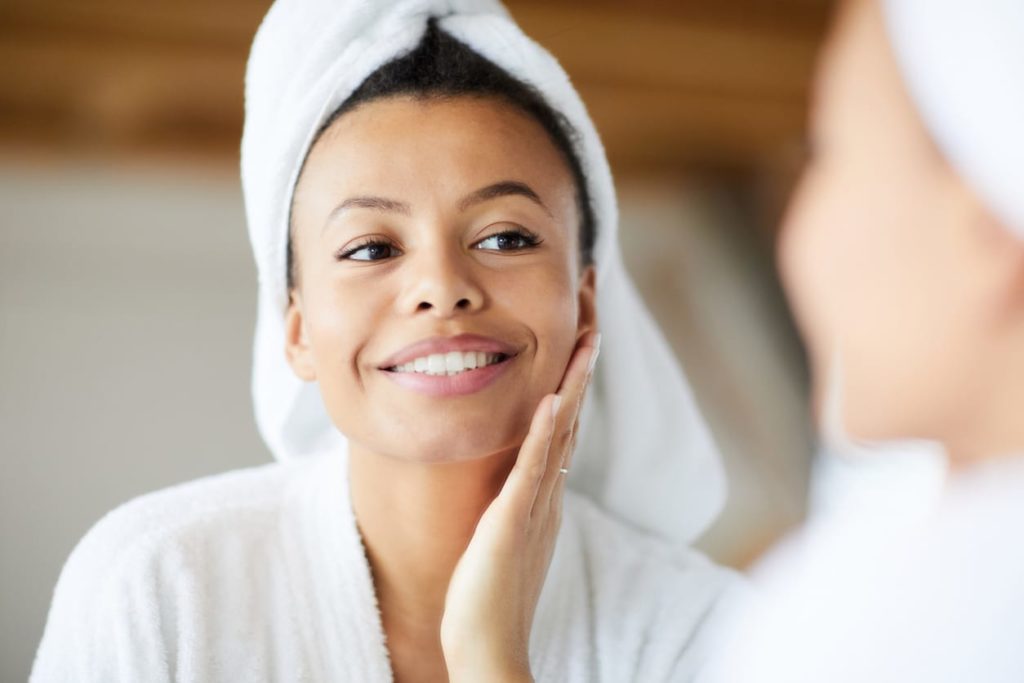

Have you ever wondered how hormonal changes and skin health are intertwined, especially during midlife? In this enlightening episode of Real Food Stories, host Heather Carey sits down with skincare expert Natalie Bevins, an esthetician with over 20 years of experience, to explore the intricate relationship between women’s health and skincare. As women navigate the complexities of hormonal changes and skin, they often face unique challenges that can leave them feeling overwhelmed and confused. Heather opens up about her own journey through skin issues like acne and dryness, shedding light on the often daunting skincare industry.
Natalie passionately emphasizes that skincare is not a one-size-fits-all solution. Instead, understanding individual skin needs is crucial, particularly for those experiencing hormonal changes and skin challenges during midlife. They delve into the vital role of nutrition in maintaining skin health, discussing how antioxidants and healthy fats can make a significant difference. As they navigate through the conversation, the importance of sunscreen emerges as a non-negotiable element in preventing premature aging.
The discussion also touches on the emotional aspects of skin health, advocating for effective stress management techniques that can positively influence one’s skin. As a culinary nutritionist, Heather shares invaluable healthy eating tips that complement Natalie’s skincare advice, creating a holistic approach to wellness. From mindful eating practices to understanding food beliefs and culture, this episode is packed with nutrition advice that resonates with women in midlife.
Natalie provides practical skincare tips, breaking down a simple routine involving cleansing, moisturizing, and the essential use of sunscreen. She offers listeners resources to empower them in their skincare journeys, reinforcing that taking care of one’s skin is an essential act of self-care. For those interested in midlife nutrition, this episode also explores the intersections of food and lifestyle choices, emphasizing how cooking for health can be a transformative experience.
Join Heather and Natalie as they share personal food stories, discuss the significance of healthy lifestyle choices, and unravel the myths surrounding weight loss and diet trends. This episode is not just about skincare; it’s a celebration of women’s health, midlife body positivity, and the journey towards embracing one’s unique beauty. Tune in to discover how you can take charge of your skin health and overall well-being through mindful choices and informed nutrition.
I would love to hear from you! What did you think of the episode? Share it with me :) Support the showLet’s Be Friends
Hang out with Heather on IG @greenpalettekitchen or on FB HERE.
Let’s Talk!
Whether you are looking for 1-1 nutrition coaching or kitchen coaching let’s have a chat. Click HERE to reach out to Heather.
Did You Love This Episode?
“I love Heather and the Real Food Stories Podcast!” If this is you, please do not hesitate to leave a five-star review on Apple or wherever you listen to podcasts.
Transcript:
Speaker #0
Well, hello, everybody, and welcome back. And if you are just tuning in with me for the very first time, it’s so nice to meet you. And I’m really glad you’re here with me today. I am your host, Heather Carey, nutritionist, chef, mom, and a woman who has been around the block with food. I want to open up about real food in relation to health, weight, and our bodies so you can make peace with what you eat. Hello everybody and happy spring. I don’t know where you live but where I am it has just been a glorious past couple of days and the sun has been shining which has gotten me outside a lot and also made me think very much about my skin because I’m not gonna lie I am not the best with wearing sunscreen. I like to have a little tan and I just like to get outside spontaneously. But today I had a fantastic conversation with Natalie Bevins, who is an esthetician. She’s been an esthetician for 20 years. And we talked all about skin and protecting your skin and really taking care of it in midlife. The foods to eat, the foods to avoid, what you can put on your skin, your daily regimen. and all of your questions answered. So please take a listen to my conversation with Natalie Bevins.
Speaker #1
Hi, everybody.
Speaker #0
Today I am talking with skincare expert Natalie Bevins. Natalie has been a master esthetician for 20 years and has seen the struggle women go through with skin. She works with anything from acne to aging to rosacea and… anything in between. Natalie believes skincare is confusing and overwhelming to women and is here to cut through that confusion and give clear answers. She loves educating women on their skin and getting to that aha moment where it all comes together so they can build back their confidence. Hi, Natalie. I’m really looking forward to talking with you today. Because I know that as a woman in midlife who was going through so many hormonal changes, my skin has been changing significantly throughout the years. I used to have no problems with my skin growing up. I was, I don’t know if it’s unique, but I, you know, I just, I didn’t have, I just didn’t have many issues with my skin. And now I feel like in midlife, I am like having acne and like all sorts of like funny things that I feel like I should have had when I was 14. But I also don’t think I’m alone in like the total confusion around skincare as a woman in midlife and how to treat my skin now as, you know, coming into this age. And I think that the skincare industry seems to be such a huge, overwhelming experience, at least for me. And I don’t think that I am alone in this. Again, like I think I speak for many women my age that we are. inundated with ads for makeup and skincare and moisturizers and on and on the topic of anti-aging, how we can age in reverse is just on every woman’s radar right now. And it’s a lot of pressure in a way, you know, to contend with, you know, that either we’re like, we’re trying to age in reverse or we’re just accepting maybe the skin that we’re in. So I’d love to hear your story and you what women in midlife dealing with all those sorts of hormonal changes and just age in general can do to keep their skin healthy and young looking.
Speaker #1
Yeah, you’re totally right. It is so confusing for women. And, and it’s true. We are given so many outlets that are, it’s just coming at us every way, right? You know, we turn on the TV and we’re learning about this anti-aging that the celebrity is using. We’re on social media and we find about you know, these creams that the influencer influencers are using. And it’s just like every everywhere we go, it is coming at us. And it can be so confusing. And if you’re in whatever issue that you’re dealing with, you know, if it’s anti aging, or if it’s the acne or whatever it is, anything that you hear about it, it’s like, Oh, should I try that? Oh, maybe that will work. Oh, well, it’s working for them. I should try that. And it’s a constant. Like it’s just a constant topic that we all speak about as women. And I mean, I know with friends and stuff, you’re talking about it, your family, your mother, your sister, what are you using and how’s that working? And it just, there’s just so much information. But the problem with all of that is it’s very hard to sift through because everybody’s skin is so individual. Like when I, when I give women their skincare regimens, it’s not even the same as their mom. or their sister, like every skin is so individual. So to go on and see an ad for anti-aging and be like, well, that’s my cream and buy it and try it. You’re most likely going to be like, well, that’s disappointing. That didn’t work like I thought it was. That didn’t give me the results that I wanted, or even I’m irritated or dry or it’s caused other problems. So it really, really is confusing. And that’s what I love to do is just be like, no, this is where your skin is at. This is why. Let me help you hear the products like just so it’s not. And then that person can just stop all of that brain energy that they have, the time and the money and the energy that they’ve spent on, you know, searching and digging and looking and listening and chatting like they can just turn it off. And it just releases a lot of stress for them, especially if there’s a specific thing that they’ve been really struggling with. They can just turn it off. And it’s just. makes you more calm and more confident in yourself. And I just, and I think that’s what we really need to understand is it’s very individual and it’s not going to be what the celebrity uses, the influencer, your mom, like these are not going to work for you. You need to find out what’s going to work for you.
Speaker #0
That’s such a good point because I know you could go on, I mean, click once on Instagram on one thing and then suddenly you’re just inundated with a hundred different ads for. all sorts of anti-aging products. And I have certainly been guilty of going down that rabbit hole and thinking like, should I get that? Should I get like, and I’ve bought products too. And I have spent a lot of money on things. You get them in the mail and you open them. You’re like, wait, what? I don’t even remember what these things are, what I’m doing. And my skin’s just really dry and I it’s yeah it is just really confusing for women but um What, why, I mean, why is skincare so important though? I mean, there, right, there has to be, I know just beyond, you know, wanting to, I don’t know, keep our skin youthful. Why, what, why is it so important to make sure that our skin is in good standing?
Speaker #1
Well, I think a lot of times we all view skin as it’s aesthetic, right? It just, it needs to look good for me. But it actually is an organ. It is your largest organ. And in order for it to function properly and do what it is meant to do, it needs to be in a healthy state. And if you aren’t taking care of it, it can’t be in a healthy state. It can’t function properly. And so it’s not able to do its job properly. And so then in turn, it looks not healthy. It doesn’t have a healthy glow. And then you can get a lot of problems with it. You’ve got the acne, rosacea, premature aging. All of these can happen because. it is not given what it needs to function properly as an organ.
Speaker #0
That’s a really good point that, right. It is, it is an organ, just like any other very important body part. And I think that we take it for granted sometimes. I know that I certainly did growing up. I mean, I am one of those, I’m guilty of. sitting there when I was younger with the tips all over the elbows and the baby oil on my skin. I mean, I certainly have done things to my skin that just should be illegal now, but, and I’m probably paying some kind of a price for that, you know, so it’s, I wasn’t respecting my skin back then. And now I’m really trying to catch up with it. And which I, and I think a lot of women my age probably went through the same thing we just aren’t really That aware of it, aware and aware of sunscreen and everything. And how important is sunscreen right now? I said, you know, I hear you go to the dermatologist and they’re like, you better be wearing sunscreen 24 seven. I mean, even when you go to sleep at night, like wear sunscreen. And what’s your opinion on that?
Speaker #1
Sunscreen is really important, actually. Yes, I do agree. It is. So premature aging, 90, 80 to 90 percent of premature aging is caused by the sun. And so it’s very important to have a sunscreen on and have that defense against that. I mean, of course, the cancers and all of that as well. Like, I’m not discounting that. But just if we’re speaking just about premature aging, it is really important to have a sunscreen on. And you don’t want to just do, you know, days to the beach or you’re headed to the pool or you’re out hiking. And so you’re going to put a sunscreen on. This is something you need to put on actually daily, even when it’s overcast, even when it’s snowy outside. It’s really important because you can get those UVA damage rays even in those weather conditions as well. So don’t think just because it’s rainy or it’s overcast or I’m not going to the beach that I don’t need a sunscreen. It’s a daily part of your habits daily. And that’s… You want to make sure that you’re reapplying that as well, especially if you’re outside. But yeah, sunscreen is incredibly important for premature aging.
Speaker #0
That’s a really good point and definitely a habit that I need to get more better at.
Speaker #1
It’s never too late. Never too late to start.
Speaker #0
Right. That’s what I say to myself. It’s not too late. What other things do you recommend just to prevent premature aging? besides your sunscreen is the obvious one. And it’s, you know, it sounds like the sun is definitely your number one enemy. But what else is, do you recommend just to prevent aging skin?
Speaker #1
So your, your external factors are going to be your sun. And then any, you know, if you’re around smoke, you smoke any pollutants in the air, chemicals, harsh chemicals, that sort of a thing you want to avoid externally. And then internally… You really want to make sure that you are eating a completely balanced diet full of antioxidants and fats and good fats and proteins. And of course, fibers as well, because you want to have it really balanced so that your skin is getting everything it needs to, again, function properly as an organ. And if you’re not feeding it internally, then it’s not going to look the way you want it to either. And it will have the premature aging and all of the other skin problems that come with that. So it’s kind of a two-part thing. You want to protect it on the outside, and then you’ve really got to give it everything it needs internally. And then there’s also an emotional part to that as well. And I know maybe people are thinking, emotional, how is that affecting my skin? But if you think about it, when you’re really stressed, if you’re acne-prone, you’ll get a zit, right? So there’s a very big correlation between how you are feeling emotionally as well. And so I always recommend deep breathing from your belly. Just kind of calm, calm your body, calm your mind, tell your mind you’re not in a state of stress, that you’re calm and it can really affect your skin as well. And of course, eating a balanced diet and doing breathing exercises and just trying to manage your stress and just internal emotional health. Those are things that you’re going to see overnight. Like you take 10 deep breaths and your skin is looking beautiful, right? These are small progressive steps that are going to… make a big difference over time.
Speaker #0
That’s a really interesting point, the stress and skin connection. I mean, because stress can affect so many other organs in your body, right? That we don’t, I didn’t really, I mean, now that you say that, I’m like, oh yeah, that’s right. I could see the connection, but it’s not something that I would have thought of first and foremost, that my stress level. could be affecting my skin just as much as it can be affecting anything else going on in my body. That’s a great point. And doing something as simple as taking deep breaths or meditating. I always, I love journaling. I recommend journaling. And so that’s a really good point and something to remember to get our stress in check. I mean, for so many other reasons too.
Speaker #1
Yeah, and I think a lot of times we think, you know, We take care of our heart. We’re really aware of taking care of our heart, right? You do the exercises and you eat right and you do all of these things. But skin isn’t connected so much as an organ. And so we don’t think of that stuff. We just think we need to put creams on and it should be great. But it’s a twofold thing, just like everything else.
Speaker #0
Yeah, really, really true and great point. But let’s get back to the food because I know you quickly just mentioned some foods. I’m a big believer as a nutritionist and a culinary nutritionist, especially in food as medicine. I don’t think food is directly medicine, but I think that we can absolutely influence our health and everything through what we eat. And you mentioned a couple of things like fatty fish, I think just good fats and good proteins and anything very specific that you recommend.
Speaker #1
I definitely think it’s… there’s not individual foods like if I were to say broccoli is amazing like I don’t want you to go out and just eat broccoli all day long right like it is definitely a variety because your skin runs and needs so many different vitamins and nutrients and I mean your body’s made up of protein and water so first and foremost you’ve got to get protein and whatever your eating style is make sure you’re getting a good clean protein in there Because you need that. You need that to function. And then it’s going to help with the collagen and elastin and all of that. Because you can’t build something if you don’t have the building blocks, right? And then water, because you definitely need water. It is so important for our body. And if you are dehydrated internally, it will start to show up in your skin as well. And then fats. When I say fats, I just mean really… as well as everything else, a really big variety of it, of all the good fats. You want your avocados, your nuts, your fishes, like anything that has a really good fat in it, you’re going to need that for your body as well, because it’s so important for your body to have fats. And I know sometimes we’re a little afraid of fats because of everything we’ve been told, but it’s really a necessary thing in our body to make it function properly and to send the correct signals back and forth for that. So definitely fats and then fruits and vegetables. And don’t eat the same ones every single day all year long, right? I mean, like eat as many as you can, a wide variety and different colors, right? You want as many antioxidants and vitamins and minerals as possible. And so and then a fiber, of course, fiber, because part one of your jobs is your skin is a detoxifying organ. And so if you’re not getting enough fiber to pass it through that way, the load on your skin is heavier. And it can come out in different ways as rashes and acne, hives, rosacea breakouts. It can come out in a lot of different ways. And so make sure you’re getting all of that. And so there’s not one specific food. Just make sure you’re eating a good variety of everything in there. You know, all of the different macros.
Speaker #0
Yeah, great point with just even the fruits and vegetables. I mean, I always tell people just to eat, try to eat as seasonal as possible, right? Indeed. what’s in season with where you live. And that will ensure that you’re eating a variety of different fruits and vegetables and getting all the good vitamins and minerals and all the antioxidants and everything. And right point, and I want to talk a little bit more about this, about your skin being a detoxifying organ, right? So when I think a lot of women still want to be Again, like. detox diets, right? And they’re going to go on juice cleanses and they’re going to, you know, like detoxify through like eating minimally and everything. But really the reality is that our skin is one of our biggest detoxifiers besides our liver and our kidneys. I mean, everything comes out like through our sweat and through, you know, like through the pores of our skin. So we want to keep our skin as healthy as possible then so it can do its job. to help detoxify. We don’t have to, we don’t have to use outside sources to in this detoxifying process, right? It’s we have to keep ourselves healthy. So then our bodies can do that job.
Speaker #1
Right? Yes. I mean, obviously, I’m not a nutritionalist. So I would turn that over to you. But I, I personally, my personal recommendation is, I mean, your body is detoxifying every day. And if you have it in a really healthy state where it needs to be, it’s going to detoxify what needs to be detoxified, right? So you don’t have to do extra. And a lot of times, again, I’m not a nutritionist, but a lot of times I know with detoxifying, depending on what kind you’re doing, you’re removing so much you’re detoxifying and it can even be your good gut bacteria, right? So whatever comes in next has free reign. And so it’s really a 50 50 chance if you’re going to have the good bacteria, the bad bacteria. So I just think your body knows what to do. And your body always has known what to do. But sometimes how we feed it and how we treat it, it can get a little confused. So it’s really important to just try to bring it back to balance because that’s where your body always wants to be. Your skin, your body, everything wants to be in balance. And so bring it back to balance and it will do its job for you.
Speaker #0
Yeah, your body does know what to do, right? And we have to trust the fact that we have these organs that will do its job. if we didn’t have our liver, kidneys, and skin. doing their jobs, we would not be alive, right? Because we’d be full of toxins and poisons because, you know, so they do a really great job of releasing all of that. And so we have to remember that, that it’s not something from the outside, but something that we have to just take really good care of, of these, particularly our skin. Yeah. Are there any other foods that you would say no to. stay away from, you know, that are really detrimental for your skin?
Speaker #1
Yeah, whenever somebody asks me that, it really comes down to just like processed food, man-made food, things that were not here 50 years ago, right? Like things that have been developed and created. Those are things that your skin, that are not going to serve your skin. You want to make sure that you’re eating as close to whole. real foods, no chemicals, no processing, minimal. If you, if it’s something that they’re processing, it’s something that you could do in, in your home. If you need to do like yogurts and stuff like that, like if you could figure that out, right? Like it’s something very simple that you could do by yourself as far as processing, but the high processed foods that are full of fillers and chemicals and preservatives and stuff that’s not serving your skin. And, and I also say any like fake sugars and things like that. That’s also your skin. your body in and of itself doesn’t know what to do with that. And so maybe you could, you know, have those for 10 years and no, you know, side effects that you realize. But eventually it will probably come up and it definitely could show up in your skin.
Speaker #0
Yeah, probably like a slow build up, you know, over time. What about alcohol?
Speaker #1
You know, that’s a tricky topic. I personally don’t drink, but that’s for… a multitude of reasons. But I don’t think, I think that that has to be really individual. And if you say, for instance, if you have rosacea and you know that that’s a trigger, because that is one of the top triggers for rosacea, then that’s probably your sign. Hey, maybe I should lessen that or whatever. But I’m not going to tell anybody not to drink. I’m not going to tell anybody to drink. I’m just saying it’s very individual and you need to find out if that triggers you. If there’s an excessive amount, obviously you’re going to deplete your hydration in your body. And so you have to think of things like that. But I don’t know. I wouldn’t say yes or no. I would say just for you individually, watch what it does to your body.
Speaker #0
Yeah, I mean, not to mention, right, exactly. Everyone is an individual and has their own opinion on alcohol. But alcohol is a toxin, right? I mean, it’s something that we have to work very hard. Our bodies have to work very hard at to get rid of. And so. your skin, I imagine gets very affected just like your liver or your kidneys would also get affected while trying to clear, you know, it out of your body. Um, probably same with sugar, right? I mean, too much sugar.
Speaker #1
Yeah. Too much sugar can definitely have an effect on your skin. And, and especially in my acne prone, um, age group, or, you know, I’ve noticed like if higher the sugar intake, the more the breakouts, um, and that’s, you know, it’s not across the boards, but it is something I have noticed. Like if they’re just, you know, after Christmas when you’re or Halloween or something, and they’re just downing all the candy, then yeah, they’re probably a week or so later, they’re going to have a flare up.
Speaker #0
Do you have any opinions on dairy products? Because I know that a lot of women that I see stay away from dairy because I think number one, they think it affects their skin or can trigger acne or… Do you have an opinion on that?
Speaker #1
Dairy has been a little villainized in the last little while. I am not opposed to dairy. I do think you need to find clean sources. If you can find raw sources, that’s beautiful. But again, it comes down to individual. If your body, you notice, triggers your rosacea, triggers your acne when you have dairy, then there is a correlation for you. but I don’t feel… Personally, I don’t feel that it is across the boards. There is studies saying it will trigger acne and stuff, but I don’t, I have not seen it happen consistently. So I think it depends on the source of your dairy and then how often you eat it as well. So I wouldn’t say completely just go off of it because I think once you completely eliminate a food, then you can have some problems with it. But I don’t think that. I think it again is very individual and you need to find out your triggers. And that’s where skin comes in that you’ve got to be aware of your own skin and pay attention to what is triggering it. What did I do this yesterday or last week that is causing this reaction that I’m having now? And it’s really important to make those connections so that you can understand your own skin and how it’s working because really your skin is a reflection of what’s happening on the inside and it’s trying to communicate with you. And a lot of times, again, we just see it as aesthetics. And so we think, oh, I broke out. Why is my skin doing this, right? Or I have a rash here. Or why is my skin so dry or oily? And we don’t understand that that’s your body communicating to you. And so it’s really important to kind of see what you’ve done and why and then the consequence of that, I guess, so you can understand your skin and what’s happening.
Speaker #0
Yeah, great point. One more question about just… things that we’re adding into our bodies, you know, foods and everything, but this has to do with water. How much water? I mean, I see, you know, my belief, I think, with water is that drink when you’re thirsty. You know, there’s no I don’t have a rule on you have to drink two gallons of water a day. But, you know, you see a lot of women like walking around with these big gallons of water and almost over hydrating, I think, sometimes. And so there’s a little obsession with water. But is there a rule of thumb for how much water you should? I mean, I know water is. incredibly important for your skin. My skin is so dry. So I know that when I don’t drink enough water, I can really feel it in my skin. Do you have a rule of thumb for that or an opinion on how much water we should be drinking? And is it, do you think it’s like the number one best thing you can do for your skin?
Speaker #1
It is really important. You’re right. It is very important. Again, your body is made up of water and protein, but if you are not taking care of your skin topically, then all of the water that you drink, there is no, like, it’s not going to help your skin because if your skin doesn’t have its protective barrier, then all of that moisture is just going to leave. And then as far as a rule of thumb, that’s, I’ve heard all the things too, right? Like you drink this much or this much or take your body weight and all of these things. But a lot of times, it’s very dependent on other factors as well. So if you are drinking alcohol or caffeine even, For every one cup of caffeine, you need to drink two waters to make up for it because it’s a diuretic and it’s just going to flush your system. So, you know, if you are drinking, if you think all of your water is in the form of coffees and sodas, well, you’re not really getting much of anything. Your body’s kind of dehydrated and it’s kind of dying. Like, come on, give me some water. But then on the other hand, if you drink a lot of like herbal teas and you’re eating tons of fruits and vegetables and brothy soups. Well, that is also going to be taken in as water. So my rule of thumb, what I always tell my clients, and this sounds a little bit gross, but check the toilet before you flush. And if it’s a dark yellow, you’re not getting enough. And if it’s too pale and there’s hardly any color, you’re overdoing it and it’s too much and you’re kind of depleting your electrolytes. So again, your body can’t function. So it’s really just that sweet spot in the middle. And that’s kind of where you want to be because like I said, there’s so many other facts. that go into it that you kind of have to gauge. And so instead of just constantly thinking, okay, I had brothy soup, so that counts or, oh, wait, I had a cup of coffee that I got to, you know, subtract. So instead of trying to go do this all day, I like what you said, drink when you’re thirsty and then check the toilet when you flush it. And then you’ll kind of know where you’re at.
Speaker #0
Yeah. That’s a great point too. It’s just a, it’s very individual, right? I mean, some Yeah.
Speaker #1
And their daily habits.
Speaker #0
Yeah. And, and just like, right. And a good daily habit to get into. But you mentioned caffeine just a second ago. And I, so I just wanted to, I forgot to ask you about that before. So, I mean, I guess it, I mean, I know caffeine is dehydrating. I know it also has a lot of liquid in it. Are there, are there some sources of caffeine that are more beneficial? Like, I mean, would, I mean, I know coffee has a lot of antioxidants in it and polyphenols. So does green T. So does, you know, so does tea. So is there, are there ones that you would say maybe lessen a little bit and you’re really pushing for green tea or anything like that?
Speaker #1
I, yes, there, there’s a lot of studies saying they’re full of antioxidants and all of these things. So it can, it’s just a matter of, I think, individual again, like if you feel comfortable drinking the caffeine and then just making up for the water, then that. fine, do that, right? Like, I’m not going to tell you how to eat and what to eat, but I think you need to be aware of the side effects of it with the lack of water and all of that, the diuretic effects that it has. So as long as you can manage those, yeah, if you want to get some antioxidants that way, just be aware of what’s happening in your body. And I think that’s the main thing. Really, when you’re intaking food, you really need to understand what’s what it’s doing and why you’re eating that and what it’s going to do in your body and how it’s going to help you because you really just want to give your body everything it needs so that it can serve you.
Speaker #0
Yes. And that food counts, food counts, what we drink counts. There’s a cost and a benefit to probably everything. I mean, the reality is that most people get a lot of theirantioxidants and polyphenols and stuff from coffee and caffeine. Yeah. Right. We might want to flip that around a little bit and maybe focus more on our fruits and vegetables and everything rather than getting nutrients from coffee. But, you know, yes, it’s a total individual choice. Let’s talk about just midlife, you know, women in midlife and going through menopause and. their specific skin issues are there are there specific skin issues that you see crop up more I mean I know for me like I said before my skin is like so it just always feels so dehydrated and yeah and so dry I mean more dry than ever and it’s almost like sometimes like I cannot get enough like moisture on it I could put like almost straight oil on my face sometimes and And it’s, does it even feel like enough? So is there, are there midlife? menopausal like issues that you see cropping up a lot?
Speaker #1
Yes, that’s that would exactly what I was going to say is the dryness factor that that is a big change in their skin because you’re not producing the same hormones. And so your body is definitely changing. And when your body changes, your skin is going to change. And so it is definitely important to be able to recognize those changes, and then know what to do with them. So as far as going into that part of your life, It’s definitely the dry skin, but that you’re going to you’re also going to see a kind of a loosening, a sagging is as far as the skin goes. You’re going to be like, oh, what’s happening? Right.
Speaker #0
Yeah.
Speaker #1
You’re losing a little more of that collagen and elastin. And so as you move into that, I would recommend using a lot of like peptides and ceramides and then a lot of vitamin C’s and and A, C, E’s and B’s. Those are the vitamins your skin loves. You want to put those back. into the skin so that it can help produce more collagen and elastin and preserve it longer so that your body isn’t tearing it down as fast. So if you’re really putting all that back into it topically and internally, but topically so that you can get that hydration, you can get rid of that dry, tight feeling, and then hopefully help with the sagging and elastins if you’re putting all the good stuff back in. So those are probably the two things that I notice the most.
Speaker #0
So collagen. So peptides, ceramides, these are the, did I get that right? These are the top three.
Speaker #1
Not collagen topically. Collagen, there’s no study saying collagen helps topically, but I’m saying if you put in vitamin Cs and things like that that are going to help preserve and keep that collagen in your skin. So you want to do it that way. And hyaluronic acid is great to put topically. It is something produced in your skin to help with the hydration and the plumpness of the skin. But also that one can go on topically. So hyaluronic acid, ceramides, peptides, vitamin A, C, E, and B, those are all really great ones to put back into your skin.
Speaker #0
I think this is then where the confusion comes in because for someone like me, who’s really never had to pay, well, I probably have had to pay attention to my skin. I just haven’t had like big issues with my skin. So therefore I think I didn’t pay that much attention to my skin. And then all of a sudden I’m like. wait, peptides, ceramides, vitamin C, you know, like all these ingredients I have to now learn. And, and then also contend with like the cost of it, you know, I mean, does skincare have to cost a lot? I mean, you know, what if you can’t afford to see an esthetician or, you know, you hear some celebrities, they go to their dermatologist once a week and they’re whatever they’re doing, you know, like their, you know, their skin looks fantastic. I’m sure they’re doing, you know. they’re getting all sorts of expensive treatments. And so what if you don’t have that time or that money to spend on your skin?
Speaker #1
I think that that’s definitely a normal and common concern that women have. But the way that I view it is, yes, maybe this cream costs $20 at the grocery store, and then maybe it costs $40 from an esthetician. But how I view it is you’re spending the $20 probably five times trying to find what you need, right? You’re trying this and I’ll try this and this one’s only $20, so let me try this. And then you’re $100 in and you haven’t found anything that you like, that’s working, that actually is getting results on your skin. And so then they’re all sitting in the cupboard, right? Whereas if you would have bought the $40 one from your esthetician that you know is going to work and you use the whole bottle, it’s actually saving you money. And so a lot of times, yeah, we think we don’t have the money to spend on skincare, which I understand circumstances, perhaps you don’t. But it is always more cost efficient to just buy what you know is going to work instead of trying this and trying this and trying this because it really just can rack up and you don’t even realize it. I mean, if we were to go into our bathrooms, and look at how many creams and serums and cleansers that we have that are like you know you’ve used two pumps and hated it you’ve used half the bottle and decided i don’t really like this um Or you think, oh, I’ll try this one instead because this one isn’t working. So if you were to go in and look and how often we throw those out and how much money you would save by just using something that’s actually going to work and that you know is specific to your skin. And I think that’s the really, really big key is I do virtual consultations as well. I can help women pick exactly what they need. And so it stops all of that, that wasted money, that wasted time. And all of that, and it just goes straight to, this is what your skin needs. Here you go. Right. Right.
Speaker #0
Yeah.
Speaker #1
Yeah.
Speaker #0
I mean, I, I, right. I have a drawer full of stuff. I mean, I’ll get it. And then I’ll use it a few times. I’m like, why am I using this? I don’t really, I can’t remember why I bought this or what the benefit. And you probably don’t see quick results, right? I mean, it takes a while. So yeah, I get probably more impatient and I’m buying things just. willy nilly. And so then I’m like, wait, I don’t I, I’m just trying to rely on myself and the internet for Yeah, for my advice. So it sounds like a really good plan of action is to see an esthetician and you see women online. That’s fantastic.
Speaker #1
Yes, yeah, I do see women online, they can come and we can do just an individual consultation, or they can go through my whole program where they actually learn about their skin and understand why they’re using what on their skin. But yeah, I highly recommend getting a consultation. And that just cuts through so much confusion for you. And again, the wasted money and the wasted time. And just your frustration and the lack of confidence that you have. Once you get to a point where you understand your skin, and you understand why it’s reacting, how it’s reacting, and you start understanding it’s an organ, and once the organ is healthy, it’s going to be beautiful and healthy and glowing no matter what age you are at. Then the confidence level that I have seen just change in the women. And it just comes out of them because they understand it and it’s healthy. And that in turn actually makes their skin look more beautiful because that confidence is coming out. So I think it’s an all-encompassing thing is to just get balance to all parts. of yourself.
Speaker #0
It sounds like a great plan. I mean, to have someone who you can work with one-on-one to really look at your individual skin and, and set you up with your own regimen. So you know exactly what you’re doing and why you’re buying the products and, and that you feel okay when it’s 10 o’clock at night and you’re like, I don’t want to like wash my face, you know, you know, Natalie told me. So, I mean. Yeah, that makes so much sense. I just one final question that I just wanted to ask you was, what would just be, you know, because, you know, like I said, it’s 10 o’clock at night sometimes. And I’m like, I don’t want to like, I’m just so tired. I don’t want you know, I don’t want to like deal. Is there just like a basic skincare regimen that you recommend? Because I’ve seen also sometimes there’s like these, you have to use the cleanser and then the toner and then the you know, and you get again. Yeah. Why am I using a toner? I don’t even know what a toner is. I mean, is there just like at the very basic, like what would you recommend for like the basic?
Speaker #1
So as I do the virtual consultations, I kind of tell the personalities. I’ve been doing this long enough and I can tell. Are you somebody who thinks they need a 10-step regimen and that’s the only thing that’s going to work? Or are you the one that’s barely going to do anything? And so as far as if we’re going to that side of the scale. The basic things that I always recommend is four things. You’re going to cleanse, exfoliate, moisturize, and then during the day, sunscreen. And those vary depending on the person. So you’re not going to exfoliate every day. So that’s not an everyday thing. So as far as the ones that are feeling like skin care and taking care of your skin is going to add all this time and all this energy, really, I mean, like you said, if it’s 10 o’clock at night and all you want to do is go to bed. Spend two minutes on your face. Literally, that’s all you actually have to do and you’re done. So you’re going to cleanse it. And then I always recommend double cleanse. And then you’re going to pat it dry, put your moisturizer, sears, whatever it is that your regimen is on, but moisturizer. And then that’s it. Like it really doesn’t add a lot of time to your day, especially if you don’t feel like you have time anyway. Like how long does it take you to brush your teeth? It’s probably going to take you just as the same. to hurry and wash your face, make sure it’s clean, or to moisturize around.
Speaker #0
So I totally agree with you. It’s such a good reminder. And that it is a form of self-care, right? We want to take as good of care of our skin as we do anything else, like brushing our teeth or just getting a good night’s sleep. Yes.
Speaker #1
And I have a free resource that talks about that. Like there’s a few things you do in the morning and a few things you do at night. And it all is about self-care, which sounds like, oh, you know, I’m going to lay in the bathtub and relax. That’s not what self-care really is when you come down to the core of it. Self-care is just being aware of your body as you’re doing things. And so in the resource, it just gives you a few things that some of them you’re probably already doing. You’re just not doing them. in a mindful manner. And so I kind of teach you how to do it a little more where it’s going to where you’re going to get more results from it. And so it’s just a matter of taking care of your body in a whole and like you like we talked about where you already brush your teeth. Let’s just continue that self care a little more. It doesn’t have self care doesn’t have to take all day and it’s not a trip to the spa. It’s tiny steps individually.
Speaker #0
Yes, I love that. That’s a really great way to, I think, end our conversation and just know that, right, this is all about just being kind to yourself and being kind to your skin. So where can people find this free resource and where could they reach out to you if they want to work with you?
Speaker #1
So the free resource is lp.fordombeauty.com. And then that will get you into the newsletter. You can reply to any of those emails and it’ll come to me. And then on Instagram at the. Fordham Beauty.
Speaker #0
Okay. And I will link those in the show notes so people can definitely reach out to you. Natalie, thank you so much. This has been so informative for me and I know for my listeners and it’s giving me a lot of hope for my skin and just really great reminders to take as good of care of your skin as you would anything else in your body. So thank you so much. I really appreciate it. Thanks for having me. And as always, if you loved this podcast, please consider gifting me with a five-star review. It is so helpful for me to get the word out on real eating, our real bodies, and real food stories. Thank you so much and have a great week. Bye for now.